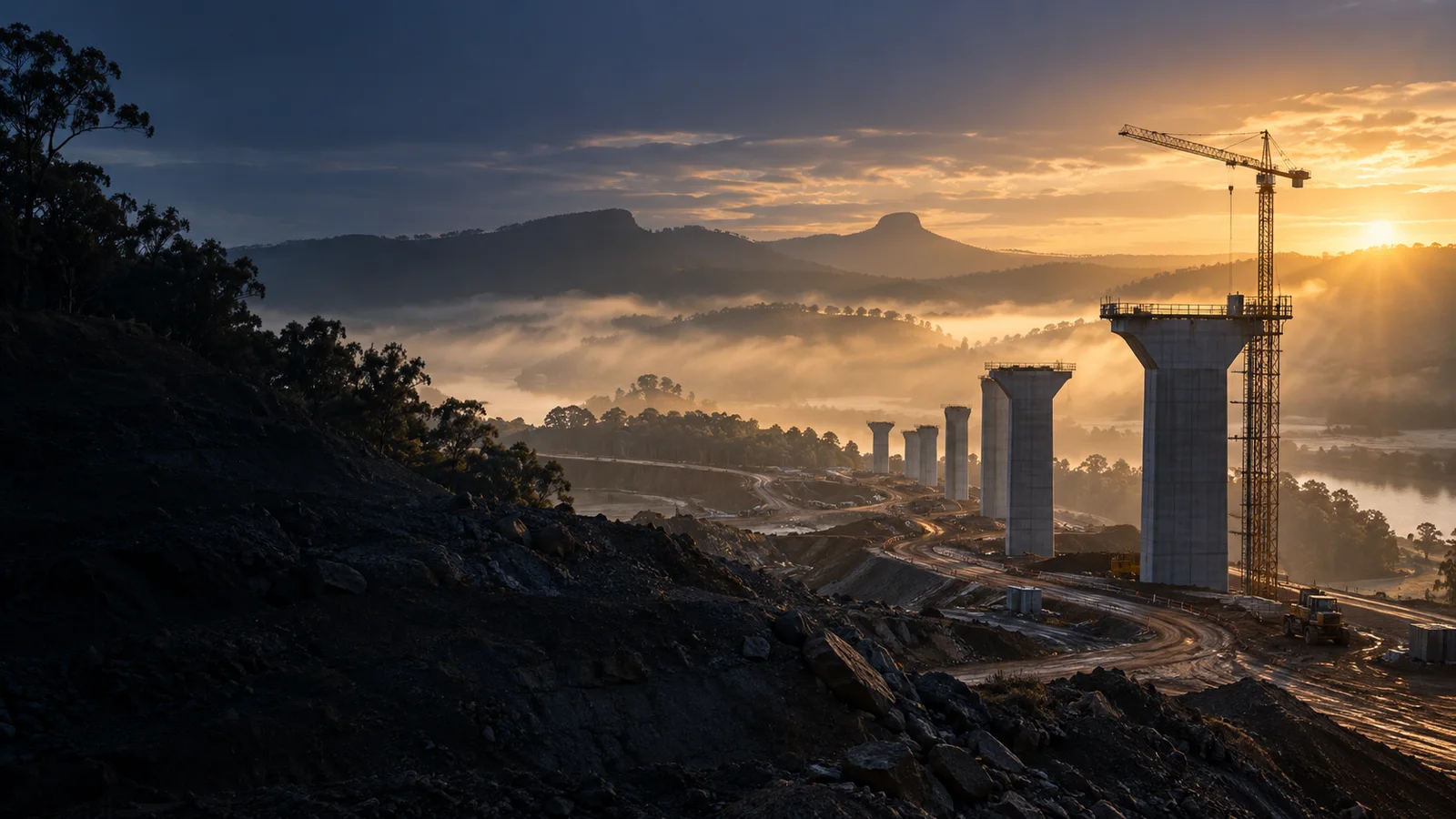
Illustrative case study. The events below are hypothetical and explain a possible investigation approach. They do not describe a verified client engagement or a claimed result.
The situation: disagreement about what was complete
Imagine a construction dispute in which the parties disagree about the state of several work areas during a particular programme period. One party relies on selected site photographs; another points to diary entries and revised schedules. The images are taken from different viewpoints and do not cover every date. The question is what the available record can establish about visible progression.
This is an evidence task before it is a delay conclusion. A building can appear unchanged from one angle while work continues elsewhere. Conversely, a programme entry may say an activity was complete without showing the condition of the relevant area. The enquiry needs to connect the records to particular locations, activities and dates.
Define the comparison period and work areas
The brief would identify the disputed milestones, relevant programme versions and geographic boundaries. Site access and capture arrangements should be agreed with the authorised parties. For ongoing documentation, the team would set repeat viewpoints and a capture schedule that reflects the actual work sequence.
Existing images should be preserved before selecting examples for presentation. A photograph supplied through a messaging app may have lost original metadata; the source and date claim should be recorded accurately. Later copies should not silently be treated as original captures.
Create a consistent visual record
Wide views provide context; closer views show specific work items. Ground and aerial images can complement one another where access and operating conditions permit. Every image should be linked to a location reference and a clear date basis.
- Use repeat viewpoints where practical and record any changes in capture position.
- Link visible work to the agreed area or activity identifiers.
- Retain originals separately from marked-up comparison copies.
- Record missed visits, obstructed views and weather or access limitations.
- Avoid describing hidden or internal work as incomplete solely because it is not visible.
A worked progression record
Hypothetical capture sequence. The disputed area is the western concourse. Images from 2 May show formwork in place, a 9 May site diary records a concrete pour, and a repeat-view image from 16 May shows the slab surface and temporary barriers. The 2 May image was taken from a different height, so the two photographs should be mapped to camera positions before they are displayed side by side. The file register would identify the original filenames, capture times and time zones, photographer, vantage point, work-area code and whether the capture is an original or a copy received from another party.
For a live documentation programme, the team would agree fixed viewpoints, include one overview that locates each close view, and record visits missed because of access restrictions or weather. If an aerial view is proposed, flight feasibility and permission are separate from the evidence question. The photographic-evidence guide provides a capture and transfer log format; the drone-evidence note explains additional capture limitations.
Compare the images with contemporaneous project records
Site diaries, inspection records, delivery notes, meeting minutes and programme revisions can help explain what is visible. Interviews should focus on particular activities and dates rather than general opinions about which party caused delay. An account based on direct participation should be identified separately from a later reconstruction.
For example, two photographs may show that cladding became visible between the capture dates. They do not necessarily identify the exact completion day, the preceding work that enabled it or its effect on the critical path. The report should state the supported interval and leave the specialist programme question clearly separated.
What the project team could receive
A progression schedule would link dates, work areas, images and supporting records. Side-by-side views should explain differences in angle, coverage and obstruction. A chronology would identify milestones that can be corroborated and periods where evidence is incomplete.
The report could include an index for the legal or delay-analysis team, enabling them to find the underlying source for each observation. A statement such as “the northern elevation is visible in the 14 May capture” is more reviewable than “the contractor was behind”, which combines facts with a broader conclusion.
A bounded conclusion from the records
Illustrative outcome, not a client result. The schedule could state: “Formwork visible at the western concourse on 2 May; concrete pour reported in the 9 May diary; slab surface visible in the 16 May image.” The diary entry is a reported project record, while the image is an observation of visible condition. The exact completion time, inspection status and effect on successor activities remain unproved by those items. A delivery record dated 10 May might challenge or refine the account and should be shown alongside it.
The resulting pack should give a delay analyst a source-linked interval and a list of unresolved questions: which programme version applied, whether the activity was on the critical path and whether the contractual notices were given. It should never turn a visual change between two dates into a claimed number of compensable delay days.
What this example demonstrates
Consistent documentation can make a disputed sequence easier to examine and expose gaps in selective presentations. It does not allocate contractual responsibility, calculate delay entitlement or replace critical-path analysis. Those questions require the relevant contract, programme evidence and appropriately qualified advisers.
Related practice: visual evidence and construction, property and infrastructure support.