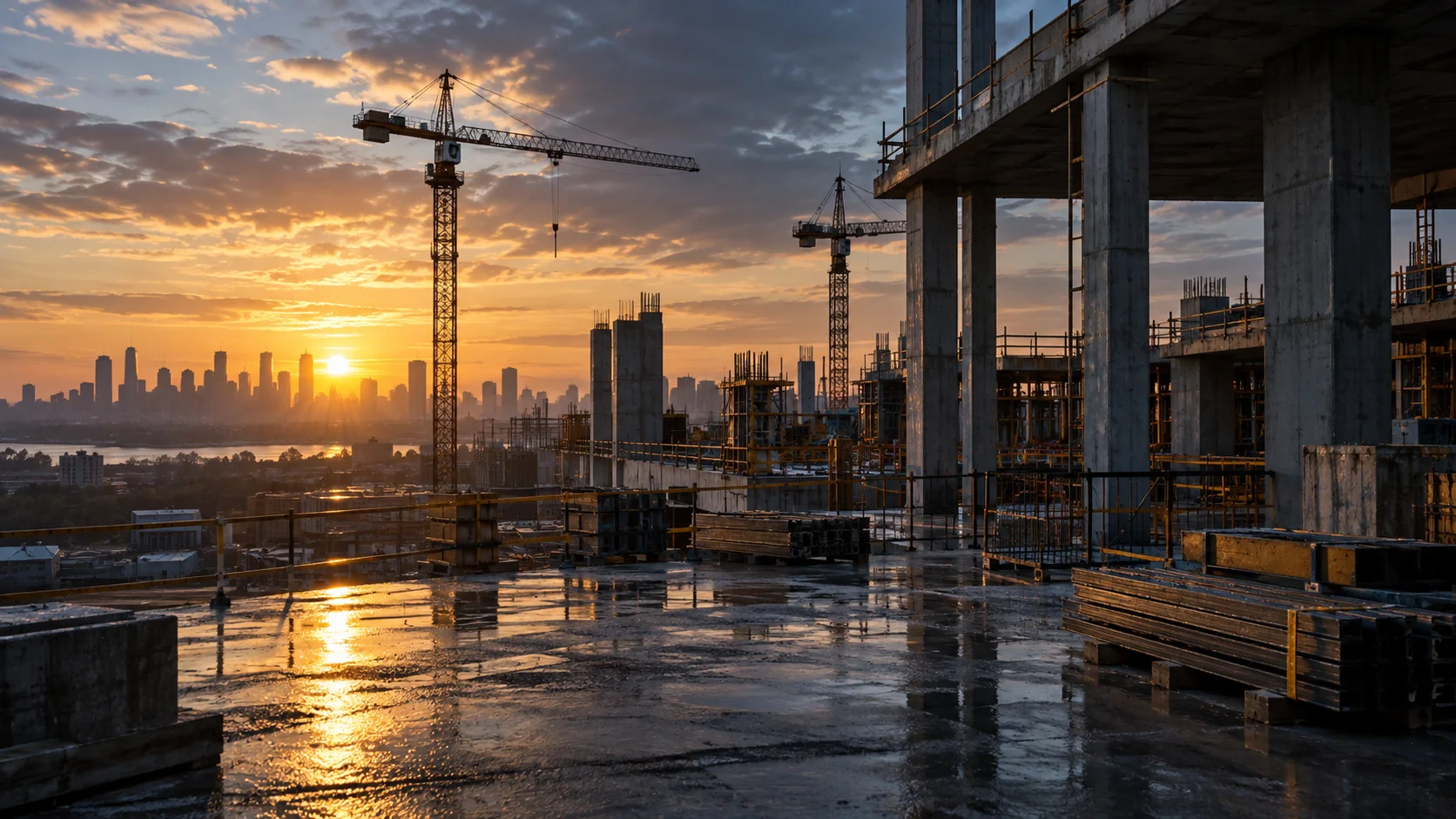
Construction disputes often turn on what was visible at a particular stage. Repeat capture, site diaries and contemporaneous records can help compare conditions with reported progress. The evidence should be tied to the disputed work area, dates and contractual question.
Establishing what happened across a changing site
Construction, property and infrastructure matters involve physical locations that change as work progresses. A dispute may concern visible completion, a reported incident, access, site condition or a difference between the project record and what can be observed. The first step is to define the place, period and factual question.
Site imagery is useful when it is consistent and referenced. A dramatic aerial view may show the whole project while failing to answer whether a particular work area changed during a disputed week. Ground detail, repeat viewpoints, dated records and witness accounts often provide the necessary context.
Match documentation to the disputed work
The brief should identify buildings, work fronts, milestone references and available earlier material. Safe access and capture arrangements must be agreed before attendance. Where aerial documentation is appropriate, operating and site constraints affect what can actually be recorded.
- Repeat photographs linked to work areas and capture dates.
- Site diaries, inspection records, delivery notes and meeting minutes.
- Programme versions and activity identifiers supplied for factual comparison.
- Original imagery, capture logs and maps distinguishing observed from inaccessible areas.
Compare records without hiding the gaps
A useful progression schedule connects dates, locations and source records. A changed viewpoint, missed visit or obstructed elevation should be explained. If an image’s date cannot be independently verified, the report should state the date basis rather than present it as certain.
Visible change does not automatically establish the cause of delay or the condition of hidden work. Interview accounts may help explain the sequence, but should be identified as accounts and checked against contemporaneous records. Contractual and programme conclusions require the relevant advisers and experts.
Reporting for project, claims and legal teams
Deliverables may include a dated condition register, comparison-image schedule, mapped references and an incident or progression chronology. Annotated copies should be distinguishable from originals. Each observation should identify the area, date and record supporting it.
The delay-claim progression example shows how imagery can establish a supported date interval while leaving critical-path and entitlement questions for specialist assessment. The same discipline helps with property-condition disputes and later reviews of incidents.
What to prepare before an enquiry
Bring a short factual brief, site plan, relevant dates, known access restrictions and a list of earlier records. Identify the authorised contact and the decision the work needs to inform. Preserve original photographs and programme versions before creating a selected presentation for review.
An investigation can help organise what is known and locate inconsistencies. It does not replace engineering assessment, valuation, contract interpretation or delay analysis. Defining those boundaries at the start helps the capture and report serve the right purpose.
Explore visual evidence, drone documentation and litigation support.