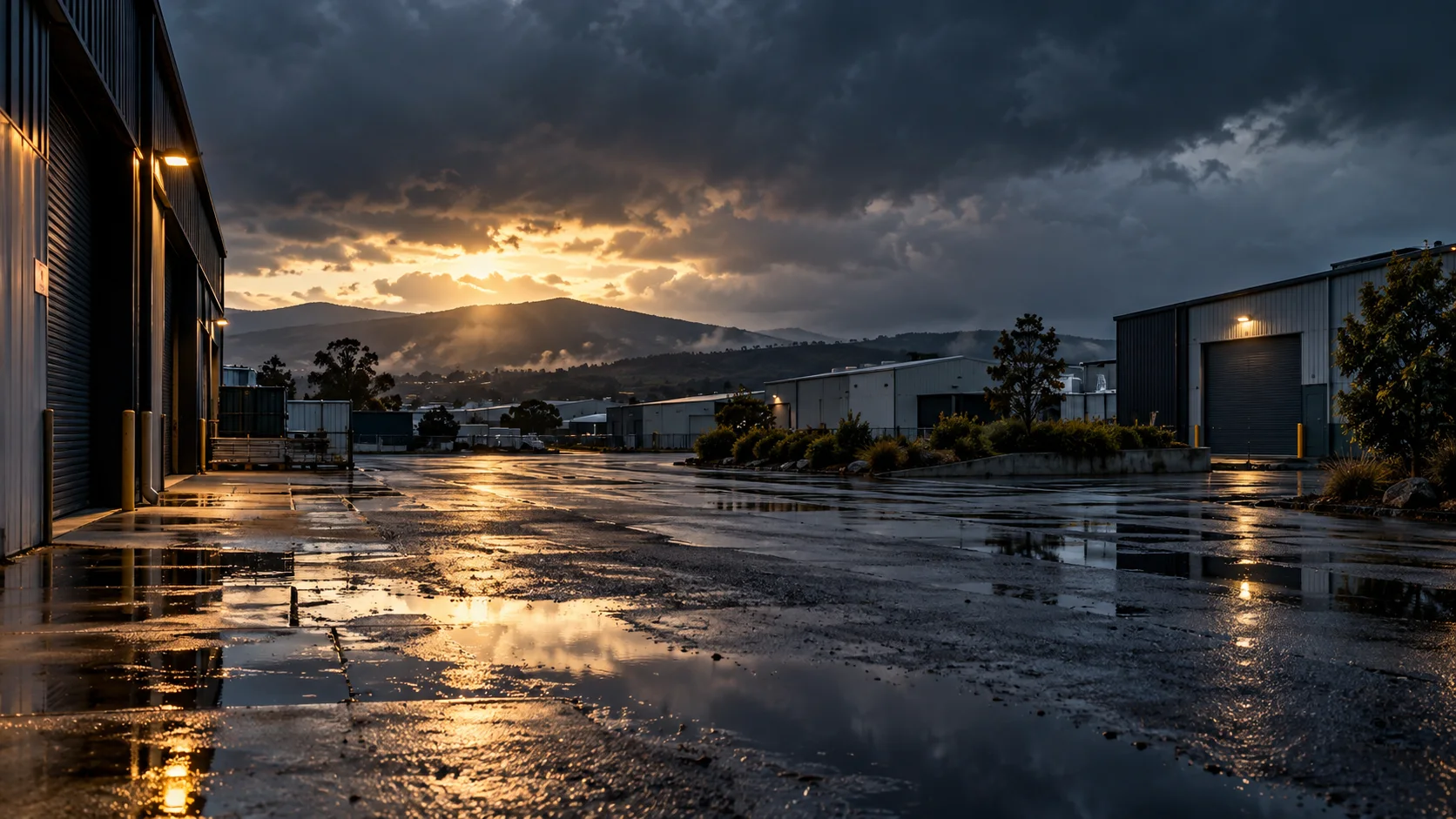
Claims investigations establish the facts relevant to the insurer’s questions. Sceáwian can document visible conditions, obtain witness accounts and compare records, while identifying matters that require an engineer, loss adjuster or other specialist.
Evidence for a disputed loss or inconsistent account
Insurance enquiries may concern the condition of a property, the sequence of an incident, a witness account or an inconsistency in supplied records. The investigator should begin with the question that the claims team needs answered. An inconsistency warrants examination; it is not itself proof of a dishonest claim.
The evidence plan may combine site documentation, contemporaneous records, authorised interviews and lawful public-source checks. Each method should have a defined purpose. A property claim may need physical comparison, while a chronology concern may be better answered by records and people with direct knowledge.
Keep observations separate from cause and coverage
Photographs can record what was visible at a location and time. They may not establish when a defect began, what caused it or the cost of repair. Similarly, a witness can describe what they saw without being qualified to diagnose a structural failure. These distinctions should remain clear throughout the enquiry.
- Claim particulars, event dates and the precise issue requiring verification.
- Original site imagery, earlier inspections and maintenance records.
- Dated repair or attendance records and relevant correspondence.
- Witness accounts identifying direct observations and second-hand information.
Document a large site in a reviewable way
Wide, detailed and aerial views can be combined where access and operating conditions permit. A media register should connect each image to a building or area, capture date and source. Earlier records need their own provenance and date basis. Areas already repaired, inaccessible or obscured should be identified.
The regional weather-claim scenario explains how a comparison file can assist assessment while leaving cause, valuation and coverage to the claims team and relevant specialists.
A report that helps the next decision
The report should answer the commissioned questions, state what is verified and explain competing accounts or missing evidence. Useful attachments may include an event chronology, condition schedule, mapped capture locations and referenced comparisons. A further-enquiry recommendation should say which uncertainty it would resolve.
Claims decisions should not be hidden inside descriptive wording. An observation such as “water staining is visible in this room” is different from an opinion about when it occurred. The source trail allows assessors and specialists to evaluate the finding within their respective roles.
Preparing to commission the work
Identify the insured location or matter, relevant dates, disputed propositions and available source records. Explain access arrangements, any repair timetable and who is authorised to instruct. Agree the appropriate channel for sensitive claim material before supplying it.
The scope should set boundaries for collection and contact. An enquiry cannot promise to confirm a preferred theory or recover information that does not exist. Its practical purpose is a clearer, referenced account that allows the claims team to assess the matter with the remaining uncertainty visible.
Explore factual investigations, visual documentation and drone evidence capture.